How Maker Day Captured Sheffield's DIY Spirit at SDW
Hands On, No Barriers
Maker Day was one of those Sheffield Design Week events that felt genuinely open to everyone. Held during the 2015 programme, it invited visitors to step away from the role of spectator and actually make something. The format was simple: a series of drop-in workshops spread across a single day, each led by a local maker or craftsperson.
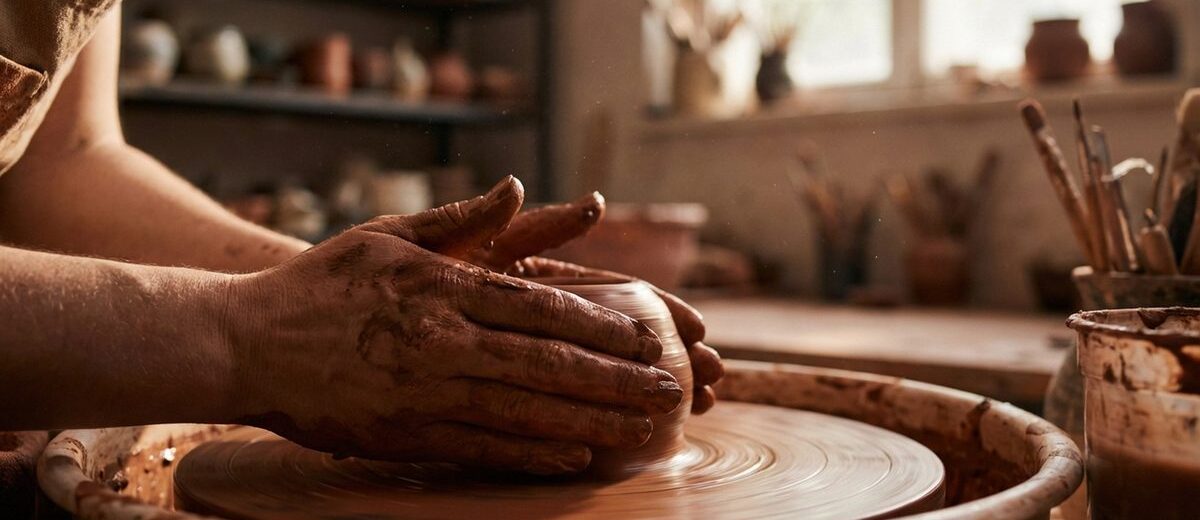
I spent most of the afternoon there, moving between stations. A letterpress workshop drew the longest queues — there is something irresistible about pressing type into paper — but the screen-printing and ceramics sessions were equally busy. What struck me was the mix of people taking part: children alongside retired couples, design students next to office workers on their lunch break.
Making as Social Practice
The organisers had made a considered decision to keep the activities accessible. No prior experience was required, and the emphasis was on process rather than outcome. Several of the makers leading workshops spoke about this afterwards — how liberating it was to work with people who had no preconceptions about what the finished object should look like.
This ethos connected directly to the Craftworks exhibition running at the same time, which celebrated making at a more professional level. Together, the two events created a spectrum: from first-time maker to established practitioner, all within the same festival.
The Value of Doing
Maker Day also served as an introduction to Sheffield’s broader maker infrastructure. Several of the workshop leaders were based at local studios — ChopShop and the Heeley Shed among them — and used the day to introduce their ongoing programmes. In this way, the event functioned as a gateway, connecting visitors with the city’s creative culture beyond the festival itself.
Looking back, Maker Day represented something important about Sheffield Design Week’s identity. It was not a festival that held its audience at arm’s length. It invited participation, valued amateur enthusiasm alongside professional skill, and understood that making is, at its core, a social activity.
