Where Does Industrial Beauty Begin? Aesthetics of Manufacture at SDW
Finding Beauty in Process
There is a particular visual language to industrial production — the swirl of machining marks on a turned surface, the gradient of heat colour on tempered steel, the geometric precision of a stamped component. The Aesthetics of Manufacture exhibition, held during Sheffield Design Week 2014, set out to celebrate this language on its own terms.
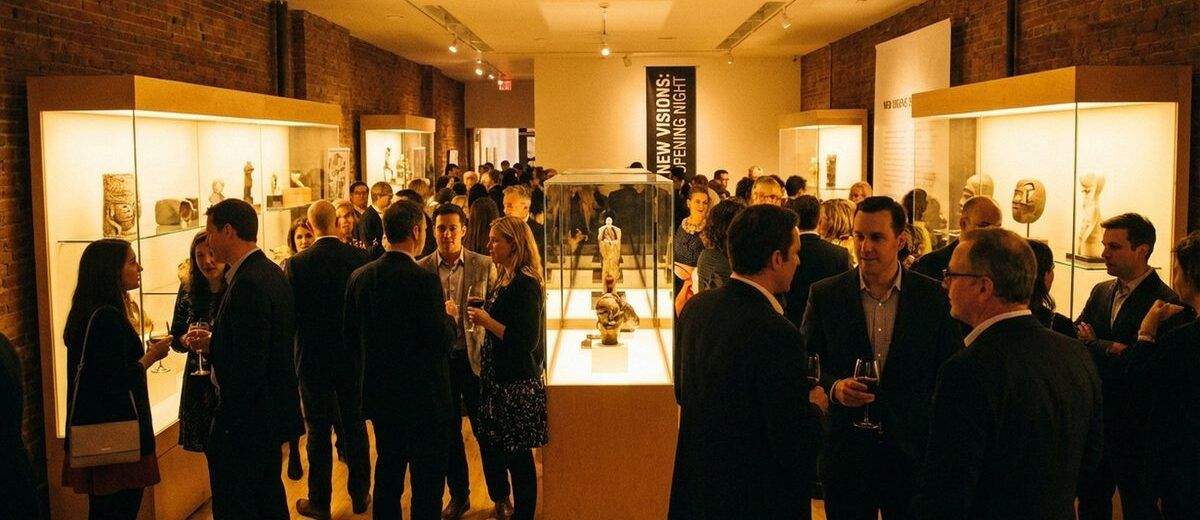
The exhibition was installed in a space that suited its subject: bare walls, good lighting, and enough room to let each piece breathe. Photographs of industrial processes hung alongside actual manufactured objects, and the pairing was effective. A close-up image of a grinding wheel’s surface pattern, hung next to the blade it had shaped, made visible a beauty that is normally lost in the speed of production.
Sheffield’s Manufacturing Eye
Having grown up around Sheffield’s remaining workshops, I found this exhibition particularly resonant. The aesthetic qualities the show highlighted are things I had always noticed but never seen formally presented. The colour of freshly cut steel. The way light plays across a polished edge. The incidental patterns left by industrial tooling. These are not accidents — they are the visual record of purposeful process.
The exhibition drew connections to broader design history, noting how movements from Arts and Crafts to Bauhaus had grappled with the relationship between industrial production and aesthetic value. Sheffield, with its centuries of metalworking, was presented as a city where this tension had been lived rather than theorised.
Context Within the 2014 Programme
Aesthetics of Manufacture sat alongside other events that explored Sheffield’s industrial identity. The Crucible Cellars tour revealed hidden industrial spaces, while the DVA exhibition showed how contemporary visual arts respond to these themes.
For those interested in how Sheffield’s industrial heritage continues to shape its design culture, this exhibition remains an important touchstone. The ongoing conversation about the city’s relationship with manufacturing owes something to events like this — shows that insisted industrial beauty deserves serious attention.
