Inside the Crucible Cellars: Sheffield's Hidden Industrial Heritage
Beneath the Theatre, Another Sheffield
Most people who visit the Crucible Theatre know it for snooker and stage productions. Very few realise that beneath the building lies a network of cellars dating back to the site’s industrial past. During Sheffield Design Week 2014, a public tour offered a rare chance to explore these hidden spaces — and the experience was genuinely remarkable.
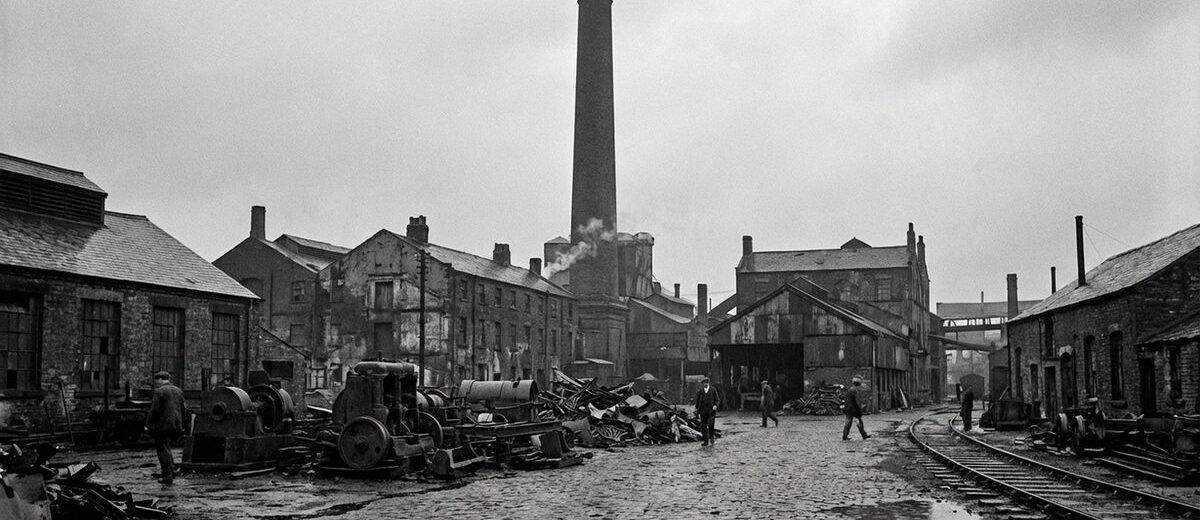
The cellars sit on the site of the former Titanic Works, a name that speaks to Sheffield’s ambitions during the height of its steel industry. Walking through the low-ceilinged, brick-lined passages, you could feel the weight of that history. Our guide, a local historian, drew connections between the industrial function of these spaces and the cultural function of the theatre above them.
Heritage as Experience
What made this tour purposeful rather than merely atmospheric was the emphasis on context. Each chamber was explained not just architecturally but socially — who worked here, what they produced, how the site evolved. The cellars had been used for steel storage, and traces of that use were still visible in the scarred walls and reinforced floor sections.
The tour group was small, perhaps twenty people, which gave the experience an intimacy that larger heritage events often lack. There was space to ask questions, to linger in doorways, to photograph the details. Several attendees mentioned they had worked in the area for years without knowing these spaces existed.
Sheffield’s Layers
This event exemplified something that Sheffield Design Week did well in its earlier editions: revealing the city to itself. The Aesthetics of Manufacture exhibition in the same year explored similar themes from a different angle, looking at how industrial processes create their own visual language.
For those interested in Sheffield’s subterranean history, the Lost Rivers screening from the following year is well worth seeking out. Together, these events mapped a hidden Sheffield that exists beneath the one we walk through every day.
The Crucible Cellars tour was a reminder that the city’s industrial past is not confined to museums. It is embedded in the fabric of buildings we use for entirely different purposes today.
