Corin Mellor on the David Mellor Design Legacy
A Family Conversation About Design
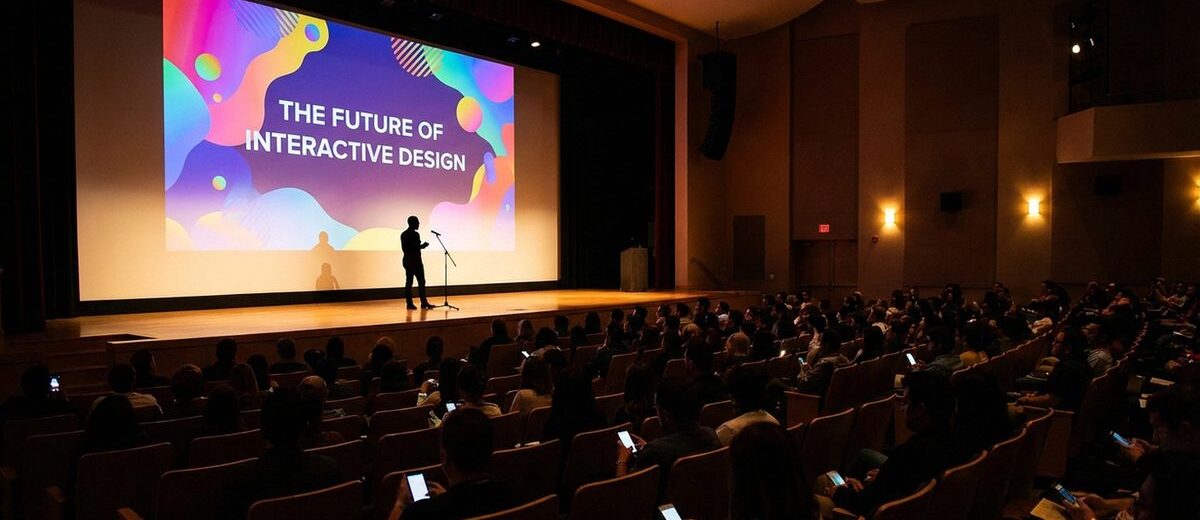
When Corin Mellor stood up to speak at Sheffield Design Week 2015, it felt less like a lecture and more like a family conversation. His father, David Mellor, remains one of Sheffield’s most important designers — a figure whose work in cutlery, street furniture and industrial design helped define British design in the twentieth century. Corin’s task was to talk about continuing that legacy.
I remember the room being full well before the talk began. There is genuine affection for the Mellor name in Sheffield, and the audience reflected that — a mix of design professionals, students from Sheffield Hallam and members of the public who simply knew and valued the work.
Design as a Way of Seeing
Corin spoke with clarity about the philosophy behind the family practice. David Mellor’s approach, he explained, was rooted in a belief that good design should be democratic — that the objects we use every day deserve the same attention as those displayed in galleries. The Street Scene exhibition from the previous year had explored this idea through David Mellor’s public realm work, and Corin expanded on it with personal anecdotes and production insights.
What came through most strongly was the idea of continuity. The Round Building in Hathersage, where David Mellor Design is based, was described not as a museum to one man’s vision but as a working studio where new designs are developed alongside the classic range. Corin showed slides of recent projects alongside his father’s originals, and the visual language was unmistakable.
Sheffield’s Design Heritage in Practice
The talk concluded with a brief discussion about Sheffield’s relationship with design — how the city’s manufacturing heritage provides both inspiration and infrastructure for contemporary making. It was an honest, grounded presentation, free of the kind of hagiography that sometimes accompanies talks about famous designers.
For anyone wanting to understand how Sheffield’s design legacy continues to influence contemporary practice, this talk remains one of the most articulate statements made during the festival’s history. It demonstrated that purposeful design is not just inherited — it is actively maintained.
