Sheffield Architecture at SDW 2014: A City Shaped by Design
Reading the City Through Its Buildings
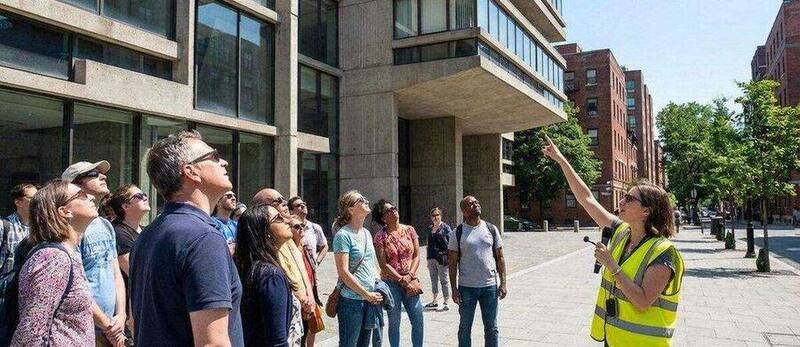
Sheffield has always been a city that builds. From the cutlery workshops of the eighteenth century to the brutalist housing estates of the 1960s to the regeneration projects of today, the built environment records the city’s ambitions, its compromises and its evolving relationship with design. The architecture talks at Sheffield Design Week 2014 set out to read that record.
The programme brought together architects, historians and urban planners to discuss how Sheffield’s architecture reflects its social and economic history. A keynote on the city’s postwar housing estates was particularly powerful, tracing the optimism of the 1950s through to the disillusionment of the 1980s and the cautious renewal now underway.
Beyond the Obvious
What distinguished this event was its willingness to look beyond the headline buildings. Park Hill and the Winter Gardens received their due attention, but the programme also explored the quieter architecture of Sheffield’s suburbs, the Victorian civic buildings that anchor the city centre, and the industrial structures that many residents pass daily without a second glance.
I was struck by a presentation on Sheffield’s back-to-back terraces — a housing typology usually associated with Leeds and Bradford. The speaker demonstrated that Sheffield’s version had distinctive features related to the city’s topography, with steps and level changes that reflected the hilly terrain. It was the kind of local knowledge that national architectural histories tend to overlook.
Foundations for What Followed
The 2014 architecture programme laid foundations that subsequent years built upon. The Beauty and the Brutal exhibition in 2015 expanded the brutalist conversation. The Architecture Summer Exhibition showcased student responses to Sheffield’s built environment. And the Castlegate Festival in 2016 translated architectural thinking into public participation.
For those approaching Sheffield’s architecture for the first time, the brutalist walking guide provides a practical introduction to the themes these talks explored.
