Sheffield Hallam University: Design Education at the City's Centre
Where Sheffield’s Designers Begin
Sheffield Hallam University has been producing designers, architects and creative practitioners for decades. Its role in Sheffield Design Week — as venue, contributor and talent pipeline — made it one of the festival’s most important institutional partners. Looking back, the university’s presence was woven through nearly every edition of the programme.
The design courses at Sheffield Hallam cover a broad spectrum: graphic design, product design, architecture, interior design, fine art and digital media. This breadth means that graduates entering Sheffield’s creative economy bring diverse skills and perspectives, and the city’s design community reflects that diversity.
Festival Contributions
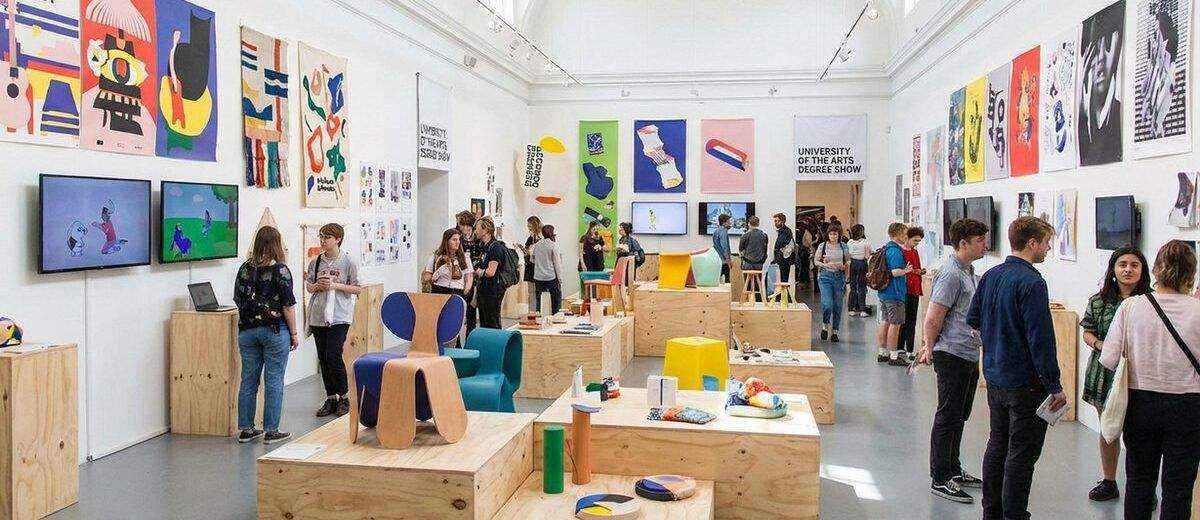
During Sheffield Design Week 2015, the university hosted exhibitions, talks and workshops across its city centre campuses. The Architecture Summer Exhibition was a highlight, displaying student work that engaged directly with Sheffield’s built environment. The SIA Degree Show showcased graduating students across all design disciplines.
Beyond formal exhibitions, university staff contributed to the talks programme, bringing academic research into conversation with professional practice. Tutors from the architecture department participated in panels on urban design, while graphic design lecturers contributed to discussions about the future of the discipline.
A Pipeline That Stays
Perhaps the university’s most significant contribution to Sheffield’s creative culture is the graduates who choose to remain in the city. Lower living costs, affordable studio space and an established community of practitioners make Sheffield an attractive place to begin a career. Many of the makers and designers who participated in Open Studios and exhibited at Made in Sheffield were Hallam graduates.
For anyone interested in design education in Sheffield, the university remains the central institution — a place where the city’s next generation of creative practitioners develops the skills, networks and local knowledge that sustain its creative culture.
