The Best Galleries and Exhibition Spaces in Sheffield
A City of Quiet Exhibition Culture
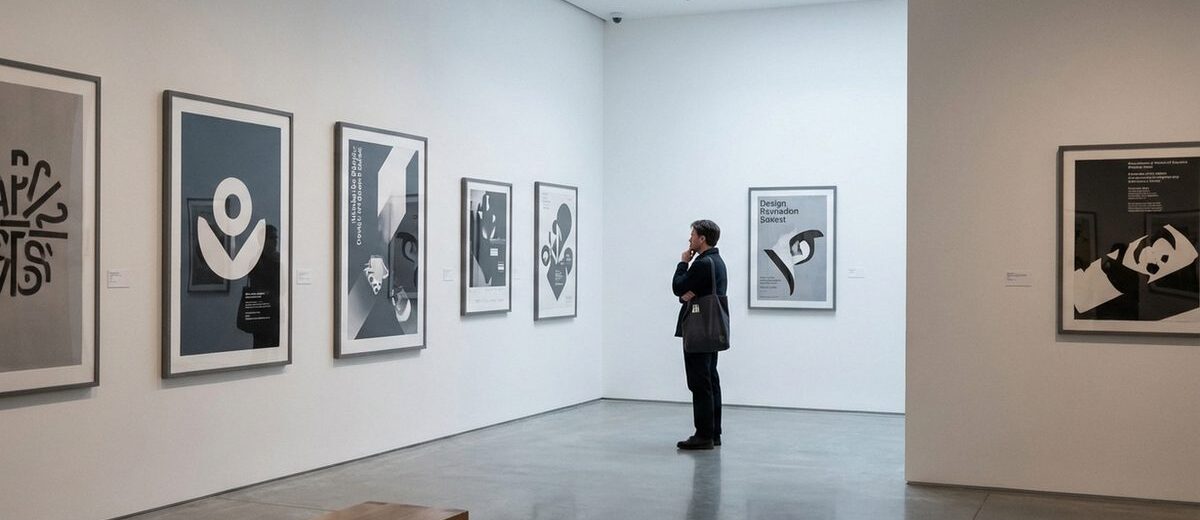
Sheffield’s gallery scene operates without fanfare. There are no Tate franchises, no headline-grabbing private collections, no galleries designed to generate queues around the block. What there is, instead, is a distributed network of exhibition spaces — public, independent and artist-run — that collectively provide a serious and varied programme of visual culture.
This guide covers the most significant galleries and exhibition spaces in Sheffield, from the institutional to the grassroots.
The Millennium Gallery
The Millennium Gallery is Sheffield’s primary public gallery and the anchor of the Cultural Quarter. Its programme balances touring exhibitions from national partners — the V&A, the Arts Council Collection — with displays drawn from Sheffield’s own collection of metalwork, cutlery and decorative art.
The metalwork gallery is the highlight for design enthusiasts. It houses one of the finest collections of Sheffield plate and stainless steel cutlery in the country, displayed in a way that emphasises both craftsmanship and design evolution. The gallery is free, which makes it an easy place to return to regularly.
Graves Gallery
Above the Central Library, the Graves Gallery houses Sheffield’s collection of European art from the sixteenth century to the present day. The collection includes works by Cézanne, Klee, Bridget Riley and Stanley Spencer. The gallery’s location — accessed through the library — gives it an intimate, almost hidden quality that larger institutions lack.
The Graves is best for quiet, focused looking. The rooms are small enough that you can spend time with individual works without the overwhelming scale of national galleries. The twentieth-century British collection is particularly strong.
Site Gallery
Site Gallery on Brown Street is Sheffield’s contemporary art space, with a programme focused on new media, moving image and digital art. Located next to the Showroom Cinema in the Cultural Industries Quarter, Site has consistently presented challenging work by emerging and established artists.
The gallery’s interest in technology and art makes it a natural venue for work that sits between design and fine art. Several Sheffield Design Week exhibitions were held here, taking advantage of the gallery’s technical facilities and its audience of digitally literate visitors.
S1 Artspace
S1 Artspace operates as both a gallery and a studio provider, running exhibition programmes alongside the managed studios at Exchange Works. The gallery programme is artist-led and ambitious, often presenting work that is at the experimental end of contemporary practice.
S1’s contribution to Sheffield’s creative ecology extends beyond exhibitions. The organisation runs residencies, commissions and professional development programmes that support artists at early and mid-career stages. This developmental work is often invisible to the public but is essential to sustaining the city’s creative infrastructure.
Independent and Artist-Run Spaces
Sheffield has a shifting landscape of artist-run galleries and project spaces. These tend to operate in temporary or affordable premises, mounting programmes that are responsive and risk-taking. Bloc Projects, which ran for over a decade, was among the most significant. Currently, several small spaces across Kelham Island, Sharrow and the city centre provide opportunities for emerging artists.
The open studio events at Persistence Works and Portland Works function as de facto exhibitions, with makers displaying new work alongside their working processes. These events offer a different kind of gallery experience — one where the boundary between production and display is deliberately blurred.
Beyond the Gallery
Sheffield’s exhibition culture extends into public space. The city’s public art programme, various festival installations, and the Castlegate Festival all demonstrate that the gallery is not the only context for encountering art and design in the city. The design weekend guide covers the best ways to engage with Sheffield’s visual culture across venues.
The Gallery Ecology
What makes Sheffield’s gallery scene work is not any single institution but the ecosystem as a whole. The Millennium Gallery provides the anchor — a free, central, professionally run space that attracts visitors who might not otherwise engage with visual culture. The Graves Gallery adds historical depth. Site Gallery provides a platform for contemporary and experimental work. S1 Artspace supports emerging practitioners. And the independent spaces fill the gaps, responding to local needs and opportunities that larger institutions cannot address.
This distributed model has advantages over the single-institution approach that some cities favour. It provides more exhibition opportunities for artists, more variety for audiences, and more resilience — if one gallery closes or changes direction, the others continue. The model also reflects Sheffield’s character: cooperative rather than hierarchical, spread across the city rather than concentrated in a single cultural quarter.
For visitors unfamiliar with Sheffield’s gallery scene, the best approach is to start at the Millennium Gallery and work outward. The Cultural Quarter provides the Graves Gallery and Site Gallery within walking distance. Persistence Works and Portland Works offer a different kind of visual experience — working studios rather than curated exhibitions. And the Kelham Island Museum, while primarily a social history museum, contains objects of genuine design significance that complement the gallery collections.
Sheffield’s galleries are free or inexpensive, accessible and — in the best sense — unpretentious. They do not demand reverence. They invite engagement. For anyone interested in visual culture, design history or contemporary art, they provide a programme that rewards regular visiting and which, taken together, tells a story about Sheffield’s creative ambitions that is both honest and compelling.
The future of Sheffield’s gallery ecology depends on sustained investment in both institutions and infrastructure. The Millennium Gallery requires ongoing funding to maintain its exhibition programme and care for its collections. Site Gallery’s programme depends on Arts Council support and project funding. The independent spaces rely on affordable premises and the voluntary commitment of artists and organisers. None of these funding streams is secure, and the gallery landscape will inevitably continue to shift. What gives confidence is Sheffield’s track record of sustaining exhibition culture through periods of economic difficulty — a resilience that reflects the city’s broader creative determination. The galleries may change, but the impulse to show work, to gather an audience and to argue about what art and design mean will persist. It is too deeply embedded in Sheffield’s cultural character to disappear.
